Precision CNC Turning Components for Efficient Manufacturing

In today's fast-paced manufacturing world, precision is key. Companies are always looking for ways to improve efficiency and reduce costs. One of the most effective methods to achieve this is through precision CNC turning components. These components play a vital role in various industries, from automotive to aerospace. In this blog post, we will explore what CNC turning is, its benefits, and how it can enhance manufacturing processes.
CNC, or Computer Numerical Control, turning is a machining process that uses computer-controlled tools to create precise parts. This technology allows for high accuracy and repeatability, making it ideal for producing components that require tight tolerances.
What is CNC Turning?
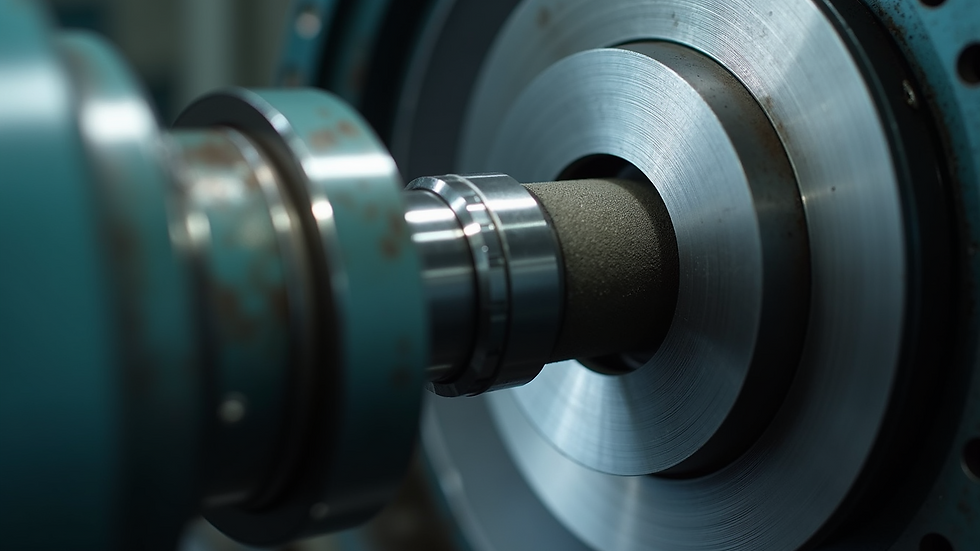
CNC turning is a subtractive manufacturing process. It involves rotating a workpiece on a spindle while a cutting tool removes material to shape the part. The process is highly automated, which means that once the design is programmed into the CNC machine, it can produce parts with minimal human intervention.
Key Features of CNC Turning
Automation: CNC turning machines operate with minimal human input, reducing the risk of errors.
Precision: These machines can achieve tolerances as tight as ±0.001 inches, making them suitable for high-precision applications.
Versatility: CNC turning can work with various materials, including metals, plastics, and composites.
Complex Shapes: The technology allows for the creation of intricate designs that would be difficult to achieve with traditional machining methods.
Benefits of Precision CNC Turning
The advantages of using precision CNC turning components are numerous. Here are some of the most significant benefits:
1. Increased Efficiency
CNC turning machines can operate continuously, producing parts at a faster rate than manual machining. This increased efficiency leads to shorter lead times and higher output.
2. Cost-Effectiveness
While the initial investment in CNC machinery can be high, the long-term savings are substantial. Reduced labor costs, lower material waste, and faster production times all contribute to a more cost-effective manufacturing process.
3. Consistency and Quality
CNC turning ensures that each part produced is identical to the last. This consistency is crucial for industries where quality control is paramount.
4. Flexibility in Production
CNC machines can be easily reprogrammed to produce different parts. This flexibility allows manufacturers to adapt quickly to changing market demands without significant downtime.
5. Enhanced Safety
With automation, the risk of accidents in the workplace decreases. Operators can monitor the machines from a safe distance, reducing the likelihood of injuries.
Applications of CNC Turning Components
Precision CNC turning components are used in various industries. Here are a few examples:
Automotive Industry
In the automotive sector, CNC turning is used to create components such as gears, shafts, and brackets. These parts must meet strict safety and performance standards, making precision essential.
Aerospace Industry
The aerospace industry relies on CNC turning for producing lightweight yet strong components. Parts like turbine blades and landing gear require high precision to ensure safety and performance.
Medical Devices
CNC turning is also crucial in manufacturing medical devices. Components such as surgical instruments and implants must be produced with extreme accuracy to ensure patient safety.
Electronics
In the electronics industry, CNC turning is used to create housings and connectors. These components often require intricate designs and tight tolerances.
The CNC Turning Process
Understanding the CNC turning process can help manufacturers appreciate its benefits. Here’s a step-by-step overview:
1. Design
The process begins with a design. Engineers create a 3D model of the part using CAD (Computer-Aided Design) software. This model includes all dimensions and specifications.
2. Programming
Once the design is complete, it is converted into a CNC program. This program contains instructions for the machine, detailing how to move the cutting tool and the workpiece.
3. Setup
The CNC machine is set up with the appropriate tools and materials. The workpiece is securely mounted on the spindle.
4. Machining
The CNC machine begins the turning process. The workpiece rotates while the cutting tool removes material according to the programmed instructions.
5. Quality Control
After machining, the parts undergo quality control checks. This step ensures that each component meets the required specifications.
6. Finishing
Finally, the parts may undergo additional finishing processes, such as polishing or coating, to enhance their appearance and performance.
Choosing the Right CNC Turning Service
When selecting a CNC turning service, consider the following factors:
1. Experience
Look for a company with a proven track record in CNC turning. Experienced manufacturers are more likely to deliver high-quality components.
2. Technology
Ensure the service uses modern CNC machines and software. Advanced technology can improve precision and efficiency.
3. Material Options
Check if the service can work with the materials you need. A versatile manufacturer can accommodate various projects.
4. Quality Assurance
Inquire about the quality control measures in place. A reliable service should have strict quality checks to ensure consistency.
5. Customer Support
Good customer support is essential. Choose a service that is responsive and willing to address your concerns.
Future Trends in CNC Turning
As technology continues to evolve, so does CNC turning. Here are some trends to watch for in the future:
1. Automation and Robotics
The integration of robotics in CNC turning is on the rise. Automated systems can handle loading and unloading parts, further increasing efficiency.
2. Advanced Materials
New materials are being developed that can withstand higher temperatures and pressures. CNC turning will adapt to these materials, expanding its applications.
3. IoT Integration
The Internet of Things (IoT) is making its way into manufacturing. CNC machines equipped with IoT technology can provide real-time data, allowing for better monitoring and maintenance.
4. Sustainable Practices
As industries focus on sustainability, CNC turning will evolve to minimize waste and energy consumption. Manufacturers will seek eco-friendly materials and processes.
Real-World Example: A Case Study
To illustrate the benefits of precision CNC turning, let’s look at a real-world example.
A company specializing in automotive parts faced challenges with production delays and quality issues. They decided to invest in CNC turning technology.
After implementing CNC turning, they saw a significant reduction in lead times. The automated process allowed them to produce parts faster and with greater accuracy.
Quality control improved as well, with fewer defects reported. The company was able to meet customer demands more effectively, leading to increased sales and customer satisfaction.
The Bottom Line
Precision CNC turning components are essential for efficient manufacturing. They offer numerous benefits, including increased efficiency, cost-effectiveness, and high-quality production.
As technology advances, CNC turning will continue to play a crucial role in various industries. By understanding the process and its advantages, manufacturers can make informed decisions that enhance their operations.
Investing in precision CNC turning is not just a choice; it is a step toward a more efficient and successful future in manufacturing.


Comments