ISO 9001-2015 Certified CNC Turning and Grinding Solutions

In today's fast-paced manufacturing world, quality is king. Companies are constantly seeking ways to improve their processes and deliver better products. One way to achieve this is through ISO 9001-2015 certification. This standard ensures that organizations meet customer and regulatory requirements while enhancing customer satisfaction. In this blog post, we will explore how ISO 9001-2015 certified CNC turning and grinding solutions can elevate your manufacturing processes.
CNC (Computer Numerical Control) machining has revolutionized the manufacturing industry. It allows for precise and efficient production of complex parts. When combined with ISO 9001-2015 certification, businesses can ensure that their CNC turning and grinding processes are not only efficient but also meet the highest quality standards.
What is ISO 9001-2015?
ISO 9001-2015 is an international standard that outlines the criteria for a quality management system (QMS). It is designed to help organizations ensure they meet the needs of customers and other stakeholders while complying with regulatory requirements.
The standard is based on several key principles, including:
Customer focus: Understanding and meeting customer needs is essential for success.
Leadership: Strong leadership is crucial for creating a unified direction and purpose.
Engagement of people: Involving employees at all levels fosters a culture of continuous improvement.
Process approach: Managing activities as processes helps improve efficiency and effectiveness.
Improvement: Organizations should always seek ways to enhance their performance.
Evidence-based decision making: Decisions should be based on data and information.
Relationship management: Building strong relationships with suppliers and partners is vital for success.
By adhering to these principles, organizations can improve their operations and deliver high-quality products consistently.
The Importance of CNC Turning and Grinding
CNC turning and grinding are essential processes in manufacturing. They allow for the creation of precise components used in various industries, including automotive, aerospace, and medical.
CNC Turning
CNC turning involves rotating a workpiece while a cutting tool shapes it. This process is ideal for producing cylindrical parts with high accuracy.
Some benefits of CNC turning include:
Precision: CNC machines can achieve tight tolerances, ensuring parts fit together perfectly.
Efficiency: Automated processes reduce production time and labor costs.
Flexibility: CNC turning can accommodate various materials, including metals, plastics, and composites.
CNC Grinding
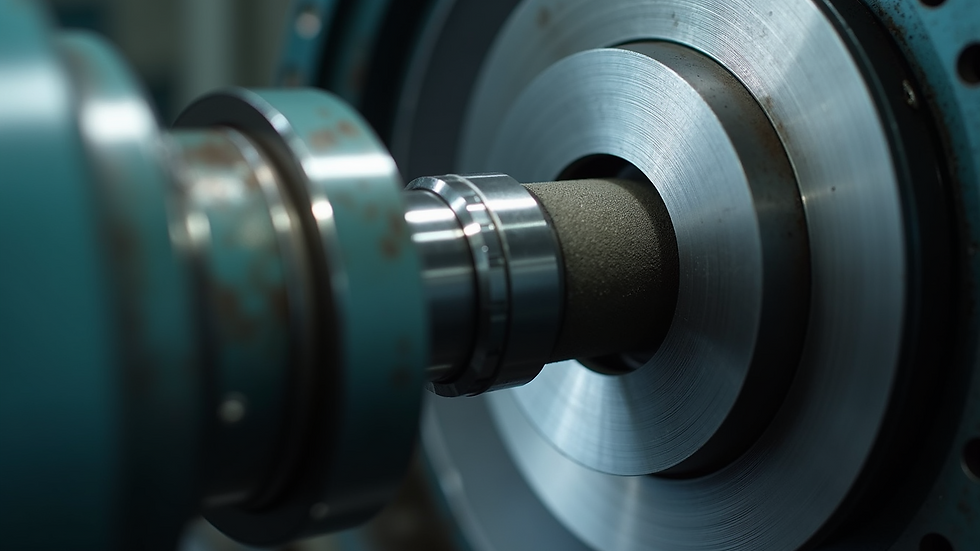
CNC grinding is a process that uses a rotating wheel to remove material from a workpiece. It is often used for finishing operations to achieve a smooth surface and precise dimensions.
Key advantages of CNC grinding include:
Surface finish: Grinding can produce a superior surface finish compared to other machining methods.
Complex shapes: CNC grinding can create intricate shapes and features that may be difficult to achieve with other processes.
Material removal: This process is effective for removing small amounts of material, making it ideal for final adjustments.
How ISO 9001-2015 Enhances CNC Machining
Integrating ISO 9001-2015 certification into CNC turning and grinding processes can lead to significant improvements. Here are some ways this certification enhances machining operations:
Improved Quality Control
ISO 9001-2015 emphasizes the importance of quality control throughout the manufacturing process. By implementing a robust QMS, organizations can monitor and control their CNC operations more effectively.
This includes:
Regular inspections of machinery and tools to ensure they are functioning correctly.
Implementing standardized operating procedures to minimize errors.
Conducting audits to identify areas for improvement.
Enhanced Customer Satisfaction
With a focus on customer needs, ISO 9001-2015 helps organizations deliver products that meet or exceed expectations.
By ensuring that CNC turning and grinding processes are efficient and reliable, companies can:
Reduce lead times and deliver products faster.
Minimize defects and rework, leading to higher quality products.
Foster better communication with customers to understand their requirements.
Streamlined Processes
ISO 9001-2015 encourages organizations to adopt a process approach. This means viewing CNC turning and grinding as interconnected processes that can be optimized for efficiency.
Benefits of streamlining processes include:
Identifying bottlenecks and inefficiencies in production.
Implementing continuous improvement initiatives to enhance performance.
Reducing waste and lowering production costs.
Real-World Examples of ISO 9001-2015 in CNC Machining
To illustrate the benefits of ISO 9001-2015 certification in CNC turning and grinding, let's look at a few real-world examples.
Example 1: Automotive Component Manufacturer
An automotive component manufacturer implemented ISO 9001-2015 to improve its CNC machining processes.
Before certification, the company faced challenges with product quality and customer complaints. After adopting the standard, they established a quality management system that included:
Regular training for employees on quality standards.
Enhanced inspection processes to catch defects early.
As a result, the company saw a significant reduction in defects and an increase in customer satisfaction.
Example 2: Aerospace Parts Supplier
A supplier of aerospace parts sought ISO 9001-2015 certification to enhance its reputation and attract new clients.
By focusing on quality management, the company was able to:
Streamline its CNC turning and grinding operations.
Implement rigorous testing procedures to ensure compliance with industry standards.
The outcome was a more efficient production process and a stronger market position.
The Path to ISO 9001-2015 Certification
Achieving ISO 9001-2015 certification is a journey that requires commitment and effort. Here are the key steps involved in the certification process:
Step 1: Understand the Standard
Familiarize yourself with the ISO 9001-2015 requirements. This includes understanding the principles of quality management and how they apply to your organization.
Step 2: Conduct a Gap Analysis
Evaluate your current processes against the ISO 9001-2015 requirements. Identify areas where improvements are needed to meet the standard.
Step 3: Develop a Quality Management System
Create a QMS that aligns with ISO 9001-2015. This should include documented procedures, policies, and processes that support quality management.
Step 4: Train Employees
Ensure that all employees understand their roles in the QMS. Provide training on quality management principles and the importance of their contributions.
Step 5: Implement the QMS
Put your QMS into action. Monitor processes and gather data to assess performance.
Step 6: Conduct Internal Audits
Regularly review your QMS through internal audits. This helps identify areas for improvement and ensures compliance with the standard.
Step 7: Seek Certification
Once you are confident in your QMS, engage a certification body to conduct an external audit. If successful, you will receive ISO 9001-2015 certification.
The Future of CNC Machining with ISO 9001-2015
As technology continues to evolve, the importance of quality management in CNC machining will only grow.
ISO 9001-2015 certification provides a solid foundation for organizations to adapt to changing market demands and technological advancements.
Embracing Innovation
With a focus on continuous improvement, organizations can embrace new technologies and methodologies in CNC turning and grinding. This includes:
Adopting advanced automation and robotics to enhance efficiency.
Utilizing data analytics to optimize processes and predict maintenance needs.
Exploring new materials and techniques to stay competitive.
Building Stronger Relationships
ISO 9001-2015 encourages organizations to foster strong relationships with suppliers and customers. By collaborating with partners, companies can:
Share best practices and learn from each other.
Develop innovative solutions that meet market needs.
Enhance overall supply chain performance.
Final Thoughts
ISO 9001-2015 certification is more than just a badge of honor. It represents a commitment to quality and continuous improvement in CNC turning and grinding solutions.
By adopting this standard, organizations can enhance their processes, improve customer satisfaction, and position themselves for future success.
Investing in quality management is an investment in the future of your business. Embrace the journey towards ISO 9001-2015 certification and unlock the full potential of your CNC machining operations.


Comments